
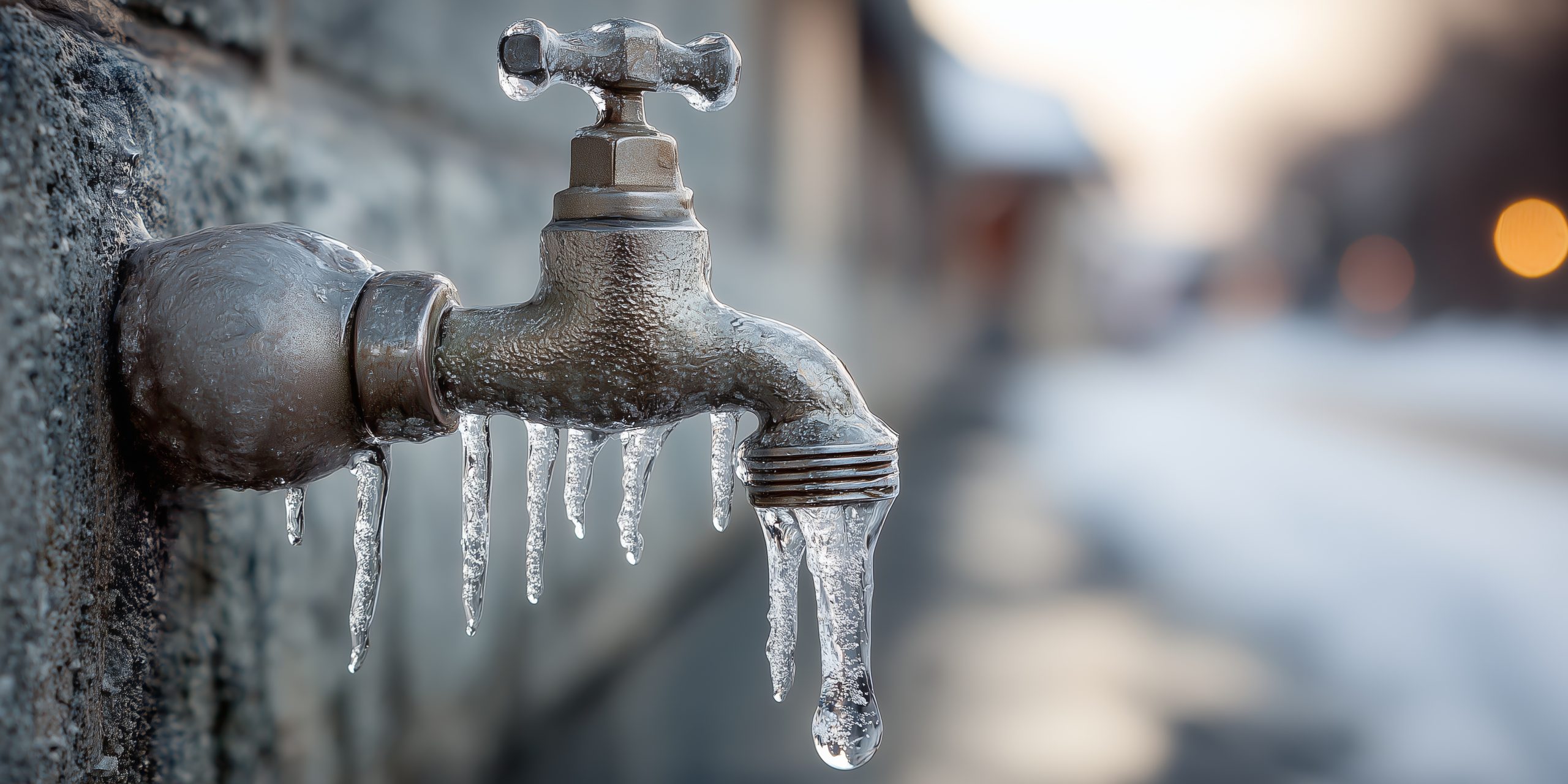
Is Kentucky Prepared for Freezing Temperatures? What Homeowners Should Know
Cold weather is nothing new in Kentucky. Winters in Louisville regularly bring freezing temperatures, ice, and snow, and homeowners are well aware of the risks cold weather can pose to their homes. Frozen pipes, heating issues, and water damage have long been part of winter service calls.
What has become more noticeable in recent years is how often freezing conditions show up and how abruptly they arrive. Sudden cold snaps, rapid temperature swings, and repeated freeze-thaw cycles are putting additional strain on plumbing systems across the region.
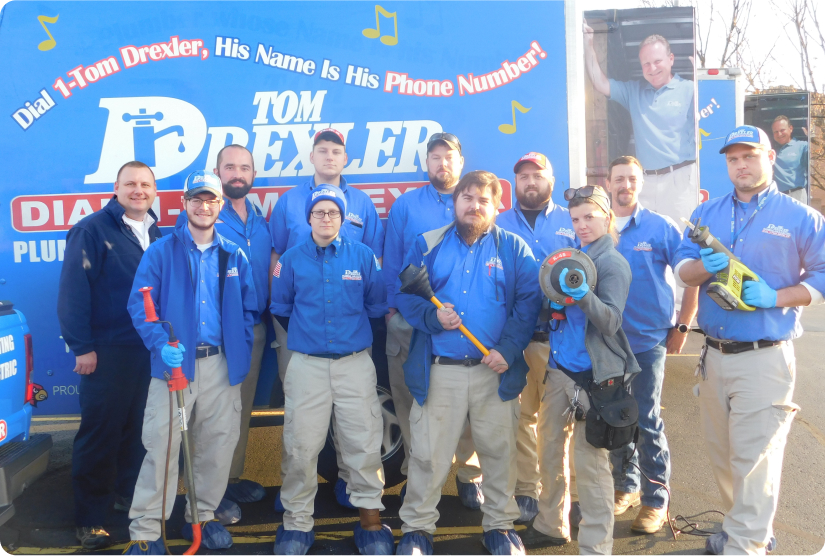
At Tom Drexler Plumbing, Air & Electric, our team has served Louisville and surrounding communities for decades. While Kentucky homes are familiar with winter, many still face plumbing vulnerabilities when temperatures drop quickly or fluctuate over short periods of time.
Where Kentucky Homes Are Most Vulnerable
Many homes in the Louisville area include plumbing lines that run through crawl spaces, basements, garages, or exterior walls. These areas can cool rapidly during sudden freezes, increasing the risk of frozen or stressed pipes.
The issue is often less about how cold it gets and more about how fast temperatures change. Pipes that handle steady winter cold well may still struggle when temperatures swing sharply from mild to freezing and back again.
According to Brian Caldwell, master plumber with Stan’s Heating, Air, Plumbing & Electrical, quick temperature drops are a common trigger for problems.
“Rapid changes are often harder on plumbing than long cold stretches,” Caldwell explains. “Pipes don’t always have time to adjust when temperatures fall fast.”
Freeze–Thaw Cycles and Hidden Damage
One of the most challenging aspects of cold-weather plumbing issues is that damage isn’t always immediate. Water expands when it freezes and contracts as it thaws. Over time, repeated freeze–thaw cycles can weaken pipes, joints, and fittings.
“In many cases, pipes are damaged during the freeze but don’t fail until temperatures rise again,” Caldwell notes. “That’s when leaks or bursts often show up.”
This delayed damage can catch homeowners by surprise, leading to water stains, reduced pressure, or sudden leaks days after the coldest weather has passed.
How Kentucky Homeowners Can Reduce Risk
Preparing plumbing systems for freezing temperatures doesn’t require major upgrades, but it does require attention to high-risk areas. Homeowners can help protect their plumbing by:
- Insulating pipes in crawl spaces, basements, garages, and other unheated areas
- Sealing air leaks around foundations and exterior walls
- Disconnecting outdoor hoses and shutting off exterior water supplies
- Allowing faucets to drip during extreme cold to relieve pressure
- Keeping cabinet doors open under sinks near exterior walls
Taking these steps before temperatures drop — and staying alert afterward — can significantly reduce the likelihood of freeze-related damage.
When to Call a Professional
Warning signs such as reduced water flow, unusual noises, or damp spots on walls or ceilings should be addressed quickly, especially following freezing weather. A professional inspection can identify stressed or damaged pipes before they lead to costly repairs.
Kentucky winters aren’t new, but the increased frequency and unpredictability of freezing temperatures mean homeowners need to stay proactive. With the right preparation and professional support, it’s possible to protect plumbing systems and avoid unexpected cold-weather emergencies throughout the season. If you’re not sure if your plumbing system is ready for the next cold weather snap, contact us today to schedule an appointment.